Cutting Mills
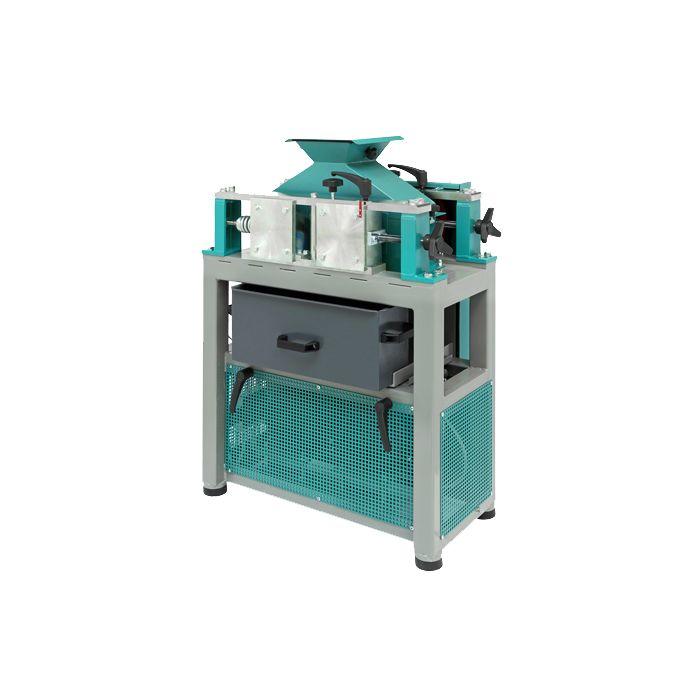
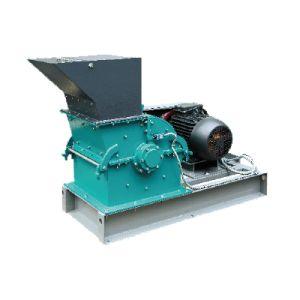
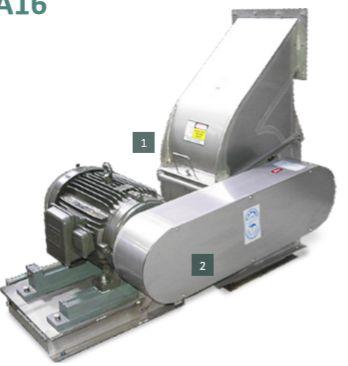
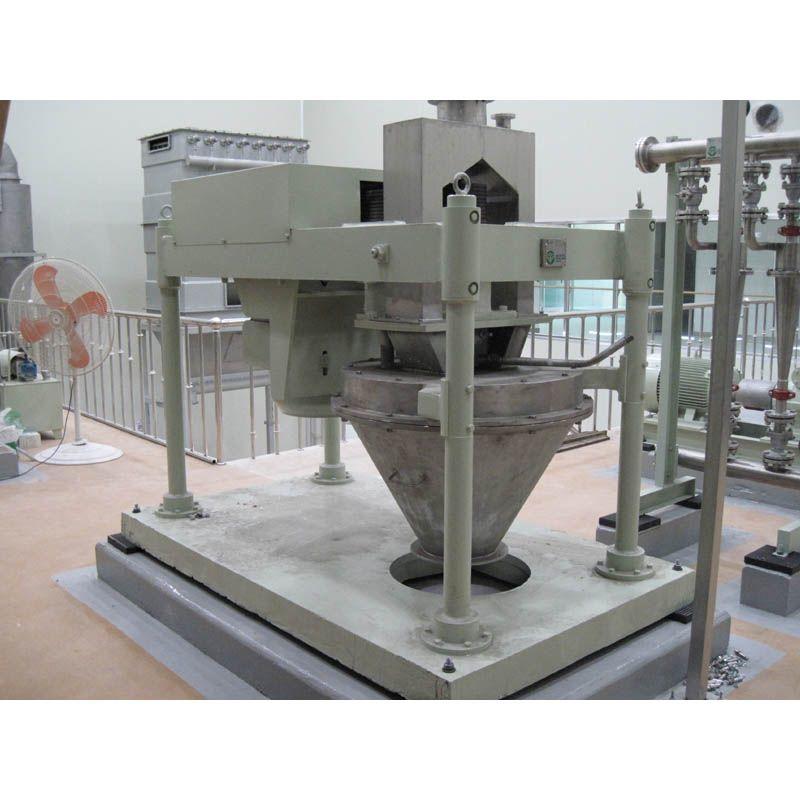
- In cutting mills, comminution occurs by means of cutting shear strains of material particles between rotor blades and housing.
- The grain size of the comminuted product is regulated by the openings in the discharge grate and the physical properties of the material.
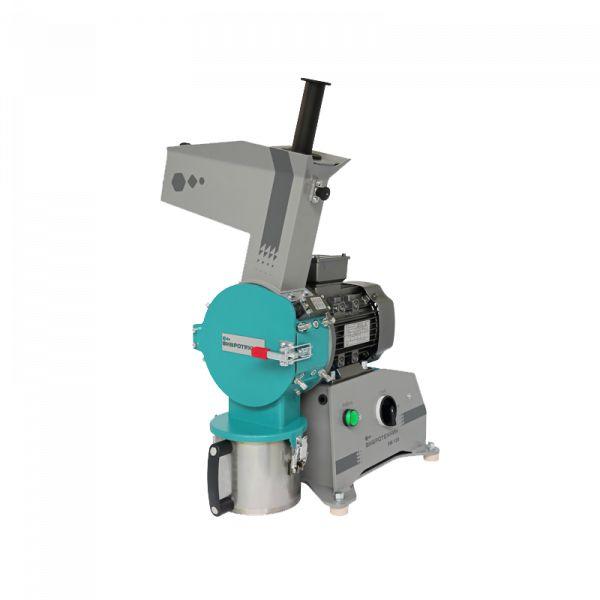
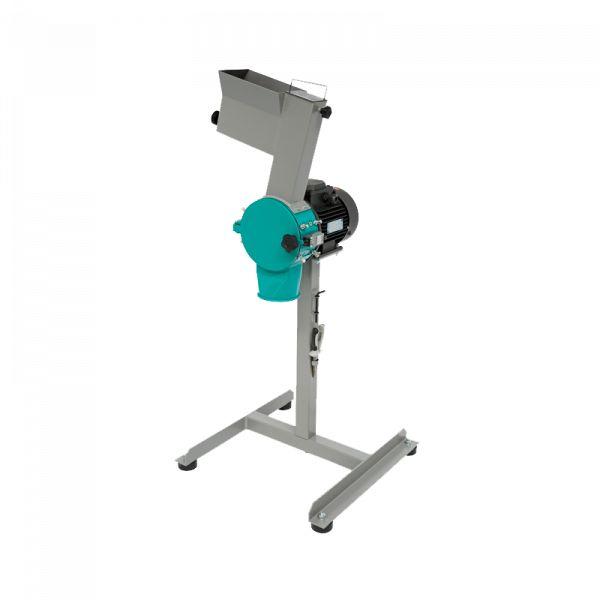
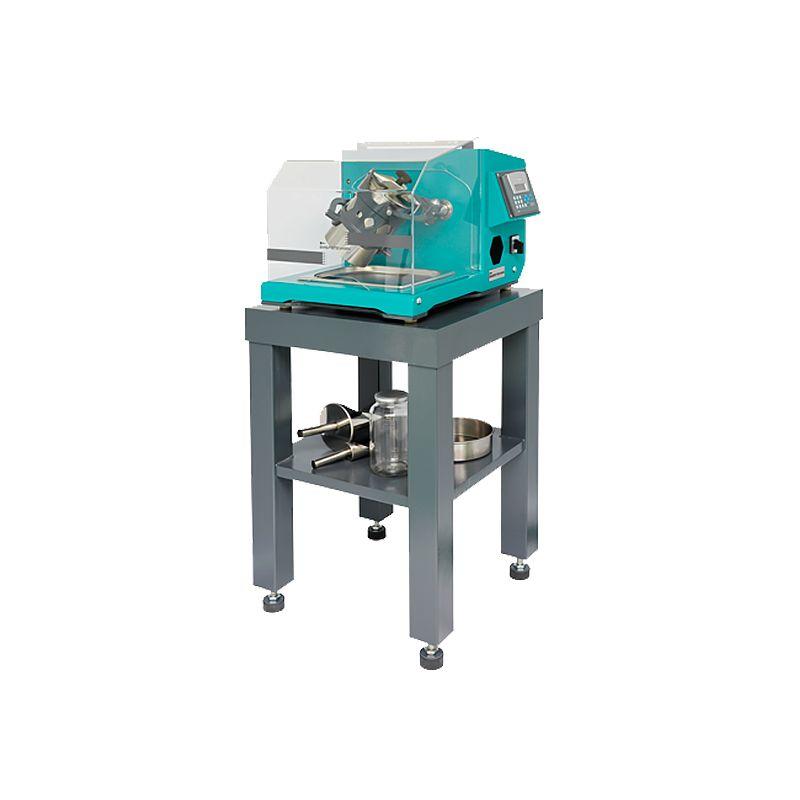
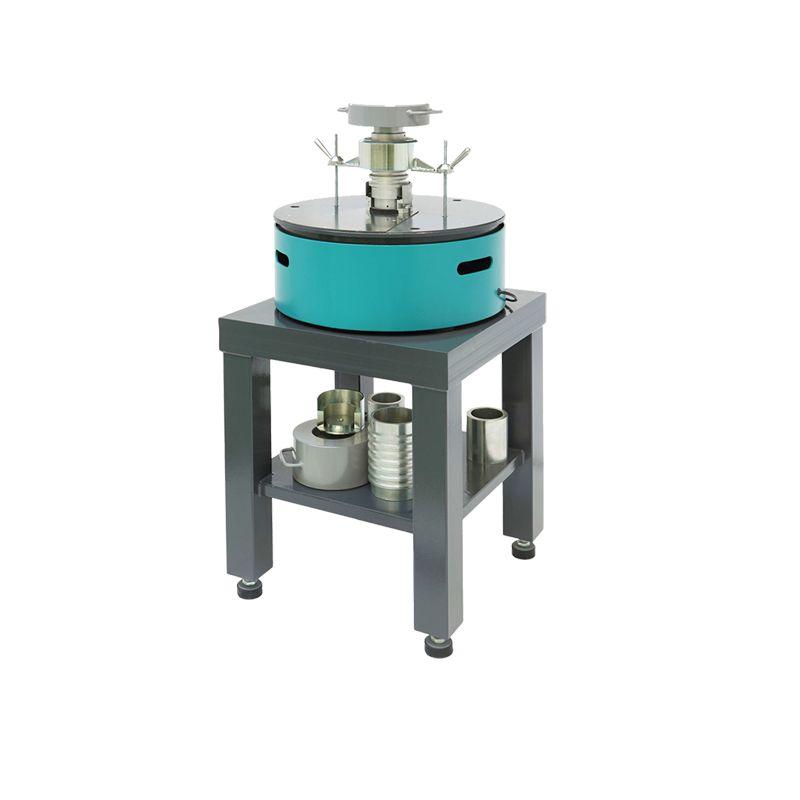
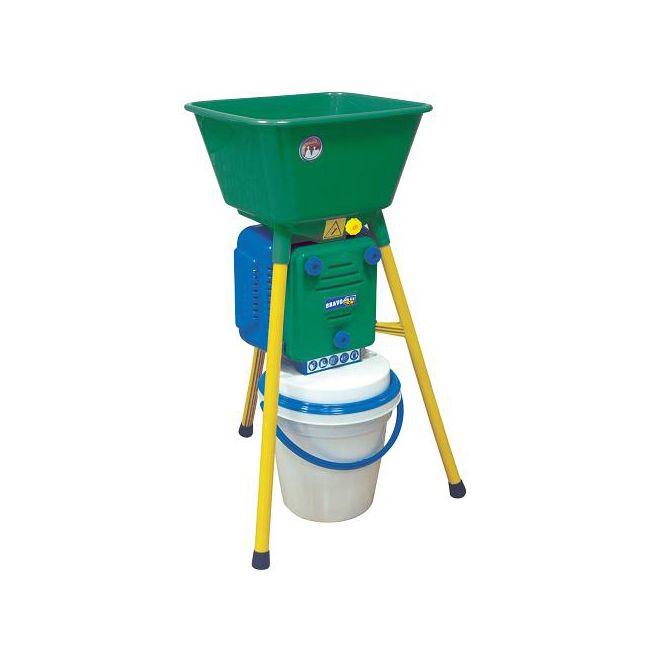
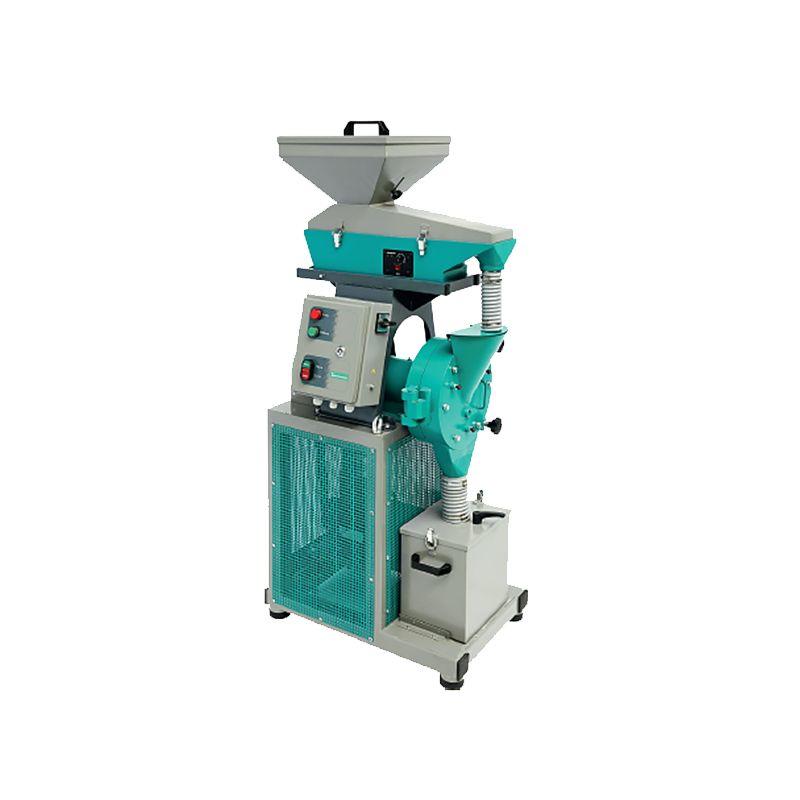
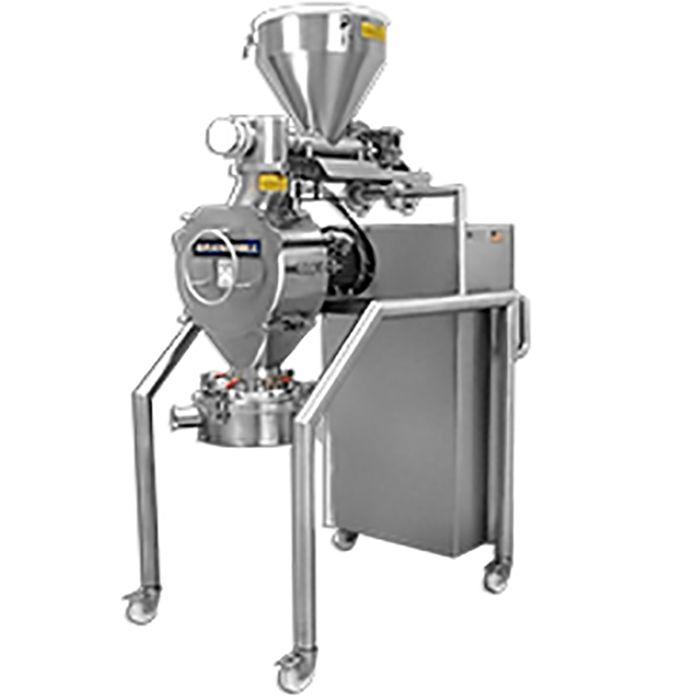
- The CM 120 cutting mill is laboratory-class equipment designed for comminuting small batches of material with grain size up to 20 mm.
- The CM 120 effectively comminutes fiber materials by crushing them with a plunger through a vertical shaft.
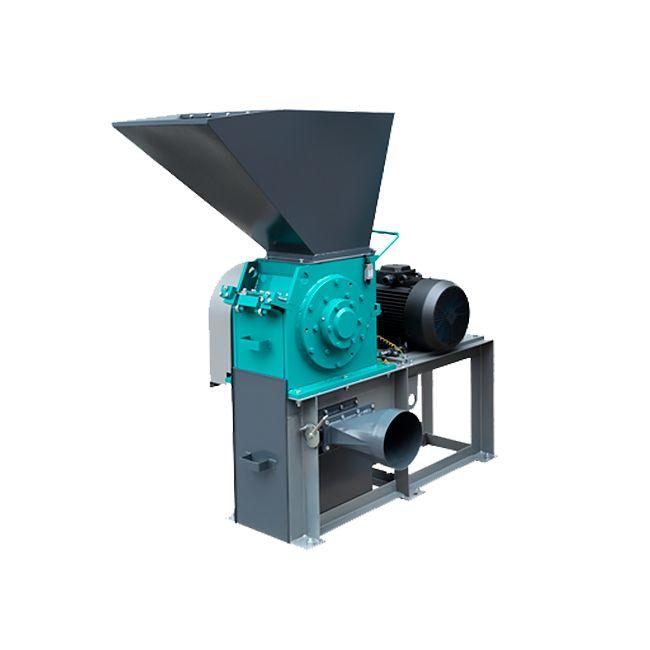
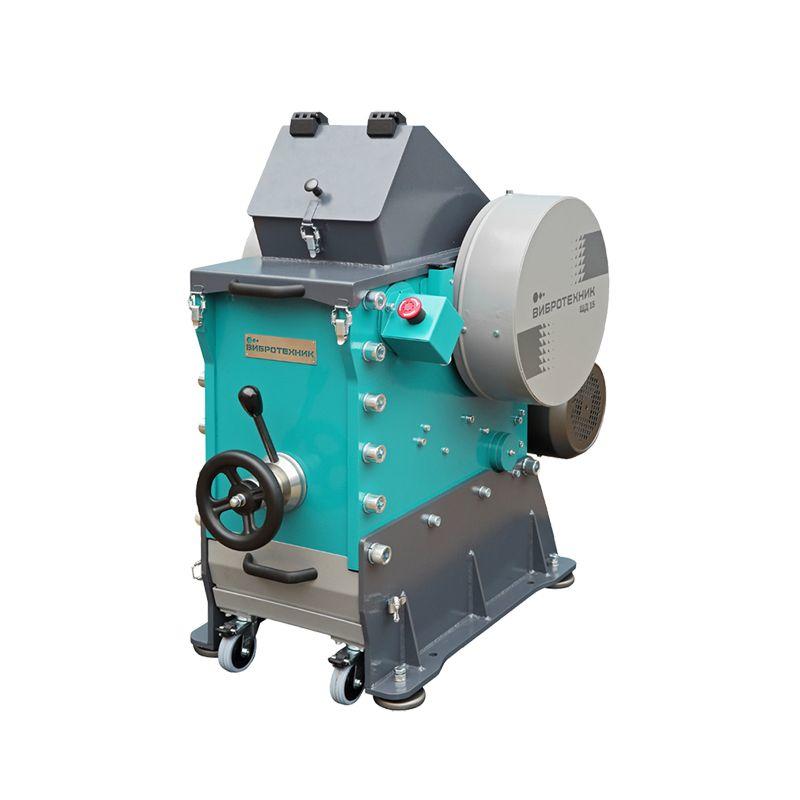
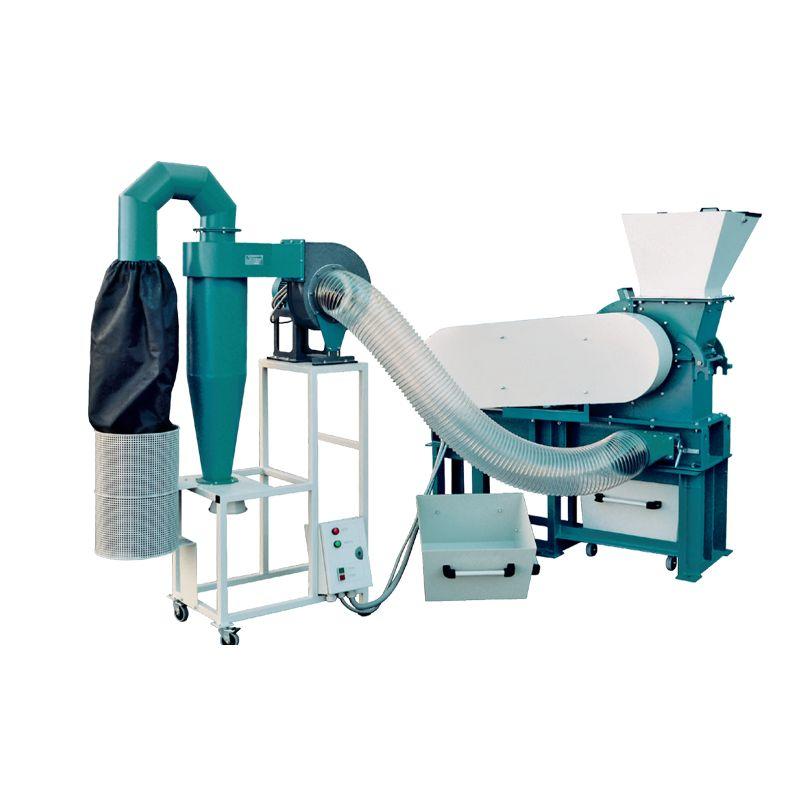
- The CM 250 cutting mill is high-power equipment designed for busy laboratories or small production facilities.
Advantages
- Ability to obtain various comminuted material grain sizes by means of:
- selecting the discharge grate opening size;
- installing different numbers of blades in the housing;
- connecting the Cyclone dust collector to CM 250;
- Increased service life of blades as a result of sharpening and replacing housing blades (CM 120);
- Precise setting of minimum gap between the rotor blades and the housing provides shear forces on particles of the comminuted material;
- Effective loading of loose and fiber materials in the CM 120 using a horizontal tray with a pusher and a vertical shaft with a plunger;
- Equipment of the CM 250 with receiving containers for three discharge modes: to the receiving container, through a dust collector and combined;
- Equipped with patterns, extractors and a special maintenance tool;
- Uniform feed of loose material using a Vibratory feeder PG 1 (CM 120);
- Connection of CM 120 to single- and three-phase electrical circuits.
Applications: bismuth telluride, carbon fiber, PVC, polyester resin, ABS resin, CDs, SIM cards, nanotubes, collagen, rubber, jute, PAN fiber, fabric, cotton, rubber, silicon, wax, rind, chicory, dry mushrooms, tea.
Industries: Metallurgy, Food, Chemical, Pharmaceutical


.jpg)

 Reach valuable industrial buyers in minutes
 Promote key products & content
 Drive cost effective & measurable sales